
PERFUME TALK
DESIGNER VS. NICHE
For decades, big designer fashion houses like Chanel, Dior, and Guerlain have empowered the perfume market with iconic fragrances such as Chanel No. 5 and Dior Sauvage. Now the tide seems to be turning as niche perfumes are rapidly gaining popularity. But what exactly is the difference between these two types of perfumes? Jim Leweck, lover and collector of perfumes and owner of Introspection haute parfumerie in Luxembourg, shares his take on the differences.
Column by Jim Leweck founder of Introspection niche perfumery
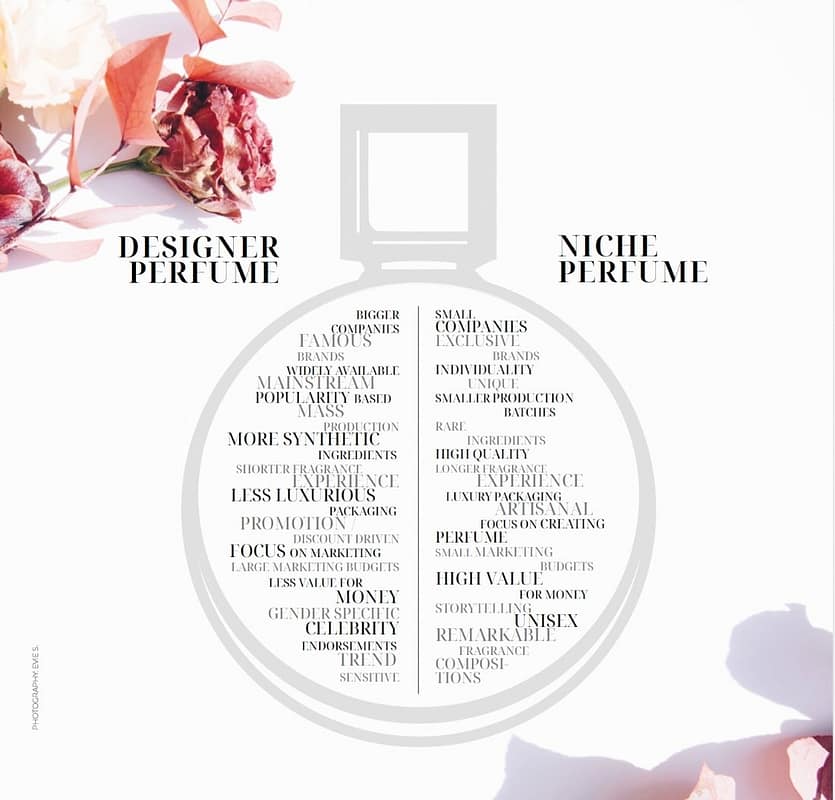
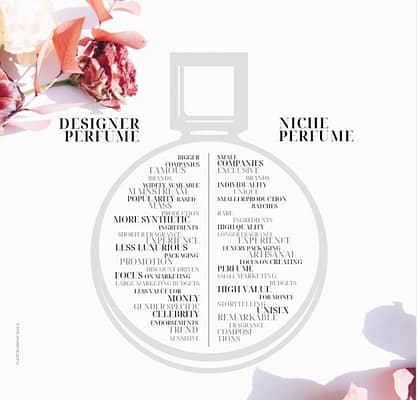
In my niche perfumery, I often get questions about what I think of designer perfumes and how they are different from the niche perfumes that I have in my perfumery’s collection. Niche perfumes are usually made by smaller companies whose core business is creating perfumes. Their ingredients are in a higher price bracket and the fragrances are more exclusive – so less widely available – than designer perfumes, which makes them more expensive. Having the freedom to select a price range and choose more valuable ingredients is indicative of the passion involved in the creation of the fragrances. There’s a love there of storytelling, and an artistic view that extends far beyond the simple process of making money. In fact, a lot of niche brands claim their main aim is not to get rich but to share their stories through their perfumes.
“I ALWAYS COMPARE NICHE PERFUME WITH A LUXURY BAG”
– Jim Leweck, founder of Introspection niche perfumery
The freedom in the selection of ingredients and to determine a budget also results in a higher concentration of perfume oil, which enhances the longevity and intensity of the scent, which means you can apply less and still smell delicious for longer. Designer perfumes, on the other hand, are usually created by bigger companies with roots in fashion and are designed to appeal to a much wider audience – they need to be liked by as many consumers as possible. You should keep in mind that when a big fashion house brings out a new designer perfume, that it is produced in not just hundreds, but millions of bottles. Designer perfumes are less expensive due to this economy of scale. They also have a lower perfume oil concentration in order to maximise profitability. In general this results in less longevity, in other words the perfume does not last as long because it evaporates faster.
This raises the question whether niche perfumes are in fact more expensive than designer perfumes, or whether that’s just a matter of perception. I always compare niche perfume with a luxury bag: if you buy a Louis Vuitton bag, you pay for the exclusivity and the exquisite materials.

You know you will have a good quality product that is more unique than when you buy a more mainstream bag. This doesn’t mean that designer perfumes aren’t good. People tend to forget that these too, are created by the best master perfumers. Without a doubt, designer perfumes can be phenomal as well. It’s just a matter of taste!
READ MORE
BRANDS TO DISCOVER DOSE OF INSPIRATION
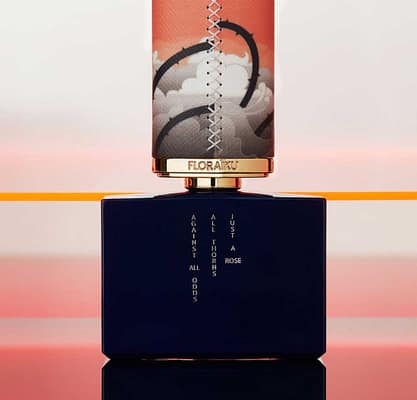
PERFUME AND POEMS: INSIDE THE WORLD OF FLORAÏKU PARIS
Floraïku Paris invites you into a world shaped by poetry, rituals, and modern perfumery. Discover
DOSE OF INSPIRATION TRENDING TOPIC
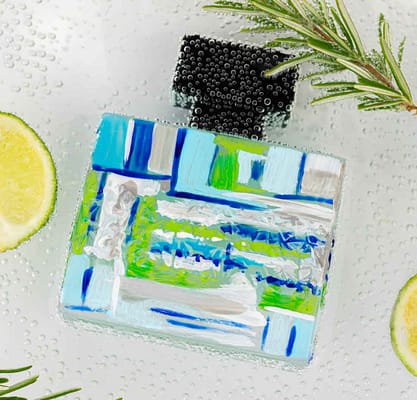
GNTONIC VIRGIN EDITION: A NEW CHAPTER FOR WATER-BASED FINE FRAGRANCE
Discover how Maison Micallef's GnTonic Virgin Edition and Luquapure™ technology are redefining alcohol-free fine fragrance

IN CONVERSATION WITH INTERVIEW
NOTES SHANGHAI: ALEX WU ON CHINA’S GROWING INFLUENCE IN PERFUMERY
In this exclusive interview, Notes Shanghai founder Alex Wu discusses China's fragrance industry, creative innovation,

DOSE OF INSPIRATION TRENDING TOPIC
LOOKING AHEAD TO THE OCTOBER EDITION OF NOTES SHANGHAI
Discover what to expect from Asia's leading boutique fragrance fair this October and enter our
DOSE OF INSPIRATION NEW LAUNCHES
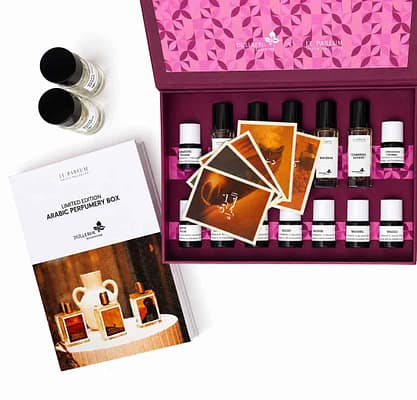
THE ARABIC PERFUMERY BOX: A JOURNEY INTO ARABIC PERFUMERY
Discover the Arabic Perfumery Box by Le Parfum Magazine and Düllberg Konzentra. Explore five exclusive
BRANDS TO DISCOVER DOSE OF INSPIRATION
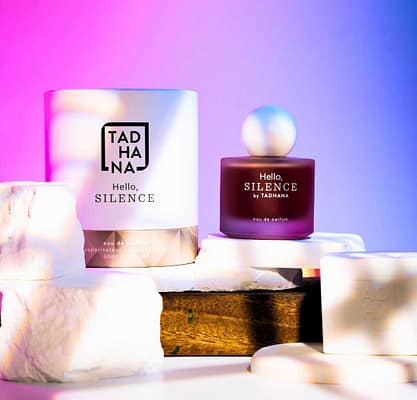
TADHANA: A DIFFERENT SHADE OF ASIAN PERFUMERY
Discover Tadhana, one of Le Parfum Magazine Chapter 8's Newly Discovered fragrance houses. Explore the
DOSE OF INSPIRATION TRENDING TOPIC
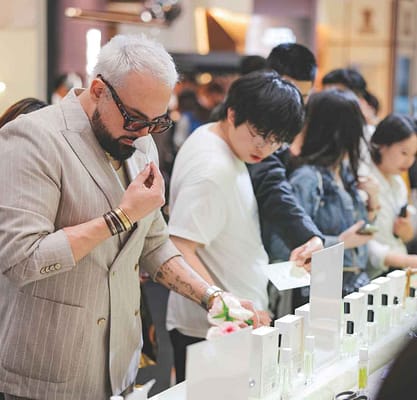
NOTES SHANGHAI 2026 RECAP: A GLIMPSE INTO ASIA’S RISING PERFUME SCENE
Discover the highlights of Notes Shanghai 2026, from exclusive exhibitions with Dominique Ropion and Osmothèque

DOSE OF INSPIRATION TRENDING TOPIC
THE RISE OF DUPES: FROM COMPARISON TO CATEGORY
From affordability to originality, fragrance dupes are one of perfumery’s most debated topics. Discover expert
DOSE OF INSPIRATION TRENDING TOPIC
PERFUME TALK DESIGNER VS NICHE
Designer vs Niche perfumes: explore the key differences in ingredients, exclusivity, concentration, and longevity, and